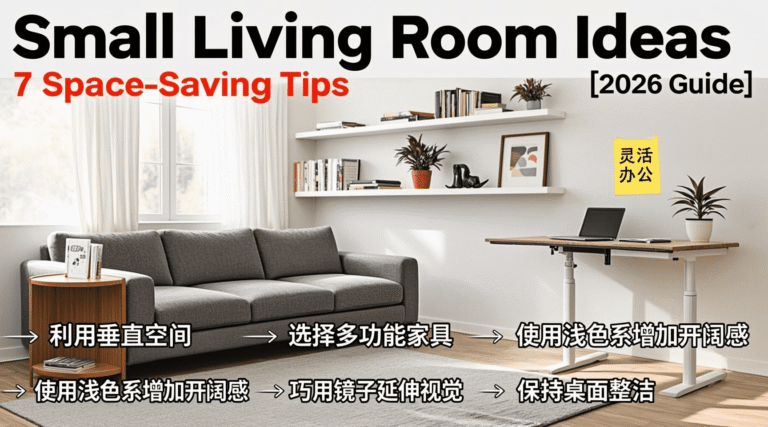
Living in a small space doesn’t mean you have to sacrifice style or comfort. In fact, with the right small living room ideas, your compact living area can become the most inviting and functional space in your home. The challenge many face is making a small living room work for both everyday lounging and entertaining guests without feeling cramped or cluttered. The solution lies in thoughtful planning, smart furniture choices, and strategic design techniques that maximize every square inch while maintaining an open, airy feel.
Whether you’re dealing with a tiny condo living room, a compact apartment space, or just want to make better use of a small area, this guide will provide you with expert strategies to transform your space. We’ll explore how to create a layout that improves flow, select furniture that serves multiple purposes, and incorporate design elements that create the illusion of more space. By the end of this article, you’ll have a toolkit of small living room ideas that will help you create a space that feels both spacious and personal.
Table of Contents
Understanding Small Living Room Challenges
Small living rooms present unique challenges that require thoughtful solutions. The primary issue is, of course, the limited square footage, which can make the space feel cramped if not properly planned. Another common challenge is the need for these rooms to serve multiple functions—they often need to work as a lounging area, entertainment space, dining area, and sometimes even a home office all at once. This multifunctionality can lead to clutter and a sense of disorganization if not addressed strategically.
Additionally, small living rooms often suffer from poor natural light, which can make them feel even smaller and more closed-in. The layout might be awkward, with architectural elements like doors, windows, and built-in features limiting furniture placement options. Understanding these challenges is the first step toward finding effective solutions that will transform your small living room into a space that feels both functional and spacious.
The Multifunctional Dilemma
One of the biggest challenges in small living room design is balancing multiple functions within a limited space. Your living room needs to accommodate everyday activities like watching TV, reading, and relaxing, but it also needs to be ready for entertaining guests. This dual purpose can create tension in the design process—how do you create a space that’s cozy for daily life but also spacious and welcoming for company?
The solution lies in flexible furniture arrangements and clever zoning techniques that allow the room to transition smoothly between different uses. This might involve creating distinct areas within the room for different activities while maintaining an overall cohesive design. With the right approach, your small living room can successfully fulfill all these roles without feeling overwhelmed.
Flow and Circulation Issues
In a small living room, traffic flow is critical. Poor circulation can make the space feel chaotic and even smaller than it is. You need to ensure there are clear pathways through the room that allow for easy movement without having to navigate around furniture. This is especially important when the living room serves as a main thoroughfare to other parts of the home.
The key to solving flow issues is careful space planning. This means considering how people will move through the space and arranging furniture to create natural pathways. It also involves selecting appropriately scaled furniture that doesn’t obstruct movement while still providing adequate seating and functionality. With thoughtful planning, you can improve circulation and make your small living room feel more open and accessible.
The Importance of Layout in Small Spaces
The layout is perhaps the most critical element in small living room design. A well-planned layout can make the difference between a space that feels cramped and one that feels open and inviting. The right layout will maximize functionality, improve flow, and create distinct zones for different activities without sacrificing the sense of spaciousness.
When planning your layout, start by identifying the room’s natural focal point—this could be a window with a view, a fireplace, or even the television. Arrange your main seating around this focal point to create a natural conversation area. From there, consider how you can create pathways that allow for easy movement through the space. Remember that in a small room, every inch counts, so thoughtful placement of furniture is essential.
Mapping Out Your Space
Before moving any furniture, take time to map out your small living room. Measure the room carefully, including the locations of doors, windows, and any architectural features. Then, create a simple floor plan to scale, either on paper or using a room planning app. This will allow you to experiment with different furniture arrangements without the heavy lifting.
As you plan, consider the “work triangles” of your living room—the paths between the seating area, entertainment center, and any other functional zones. Ensure these pathways are clear and wide enough for comfortable movement. Also, think about how you’ll use the space on a daily basis and arrange furniture to support those activities. This planning phase is crucial for avoiding costly mistakes and ensuring your layout works for your lifestyle.
Creating Distinct Zones
Even in a small living room, creating distinct zones for different activities can help the space feel more organized and functional. This doesn’t require physical barriers—you can create zones through furniture placement, area rugs, and lighting.
For example, you might create a main seating area centered around the television or fireplace, with a smaller reading nook in a corner using a comfortable chair and a small table. If you need to incorporate a work area, consider a compact desk that can be tucked away when not in use. By defining these zones, you make the room more functional while maintaining an open feel.
Choosing the Right Furniture for Small Living Rooms
Furniture selection is crucial in a small living room. The wrong pieces can overwhelm the space, while the right ones can enhance both functionality and the sense of spaciousness. When choosing furniture for a small living room, scale and proportion are key considerations. You want pieces that are appropriately sized for the room and serve multiple purposes whenever possible.
Look for furniture with exposed legs to create a sense of openness, and consider pieces with reflective surfaces that can help bounce light around the room. Multi-functional furniture is your best friend in a small space—think ottomans with hidden storage, coffee tables that can be raised to dining height, or nesting tables that can be tucked away when not needed.
Space-Saving Seating Solutions
Seating is often the biggest challenge in a small living room. You need enough seating for family and guests, but too much furniture can make the space feel cramped. The solution is to choose seating that is appropriately scaled and serves multiple purposes.
Consider a sofa with a narrow profile and exposed legs to create a sense of openness. Armless sofas or those with low arms can also help the space feel larger. For additional seating, consider options like ottomans that can double as coffee tables, stools that can be moved around as needed, or a pair of small-scale armchairs instead of a large loveseat. Modular seating is another excellent option, as it can be reconfigured to suit different needs.
Multi-Functional Tables
Tables in a small living room should work hard for their space. A coffee table with built-in storage can hide away remotes, magazines, and other clutter. Nesting tables provide surface area when needed but can be tucked away to save space. Consider a lift-top coffee table that can be raised to dining height for occasional meals or work.
For side tables, look for options with a small footprint but adequate surface area. C-tables can slide over the arm of a sofa, providing a stable surface without taking up floor space. A console table behind a sofa can serve as a desk, display area, and storage solution all in one.
| Furniture Type | Best for Small Spaces | Key Features to Look For |
|---|---|---|
| Sofa | Main seating | |
| Ottoman | Seating & table | |
| Coffee Table | Surface & storage | |
| Side Table | ||
| Shelving |
Color and Lighting Strategies for Small Spaces
Color and lighting are powerful tools in small living room design. The right color palette can make a room feel larger and more open, while strategic lighting can enhance the sense of space and create ambiance. When working with a small living room, these elements are especially important for creating an inviting, spacious feel.
Light colors are generally recommended for small spaces as they reflect light and make walls recede, creating an illusion of more space. However, this doesn’t mean you’re limited to white. Soft neutrals, pastels, and even light jewel tones can work beautifully in small rooms. The key is to use color strategically to highlight architectural features and create depth.
Light Color Palettes
A light, cohesive color scheme is one of the most effective ways to make a small living room feel larger. Paint walls in light hues like soft white, pale gray, or light beige to create a bright, airy feel. You can add interest through texture and subtle color variations rather than bold contrasts.
Consider painting the ceiling a shade lighter than the walls to enhance the sense of height. Using the same color for walls and trim can also create a seamless look that makes the boundaries of the room less obvious. If you love color, incorporate it through accessories and textiles rather than on the main walls.
Layered Lighting Approach
Good lighting is essential in a small living room. A layered lighting approach that combines ambient, task, and accent lighting will make the space feel larger and more functional. Start with ambient lighting like a stylish ceiling fixture or recessed lights that provide overall illumination.
Add task lighting for specific activities like reading—floor lamps or table lamps with slim profiles work well. Accent lighting can highlight architectural features or artwork, drawing the eye and creating depth. Consider wall sconces or picture lights that don’t take up floor space. Dimmers are a must-have, allowing you to adjust the lighting to suit different moods and activities.
Storage Solutions That Maximize Space
Clutter is the enemy of small spaces, making effective storage solutions essential in a small living room. The key is to think vertically and look for furniture that serves dual purposes. With the right storage strategies, you can keep your living room organized and maintain a sense of spaciousness.
Consider built-in solutions that make use of every inch of available space. Wall-mounted shelves and floating consoles provide storage without taking up floor space. Furniture with hidden storage helps maintain a clean, uncluttered look while keeping essentials close at hand. Remember that in a small room, everything should be both beautiful and functional.
Vertical Storage Solutions
When floor space is limited, look up! Vertical storage solutions draw the eye upward and make the most of your wall space. Tall, narrow bookcases can provide ample storage without taking up much floor area. Wall-mounted shelves create display space for books and decorative objects while keeping the floor clear.
Consider a wall-mounted entertainment center to house your media components without the bulk of traditional furniture. Floating shelves above a sofa or desk can provide storage and display space without visual weight. The key is to keep vertical storage organized and not overcrowded, as too much can make the room feel top-heavy.
Dual-Purpose Furniture
In a small living room, every piece of furniture should earn its keep by serving multiple functions. An ottoman with hidden storage can hold blankets, magazines, and remotes while serving as extra seating or a coffee table. A storage bench or window seat provides both seating and a place to hide away items.
Consider a sofa table or console that can serve as a desk when needed. Nesting tables provide multiple surfaces when required but can be tucked away to save space. Even your sofa can work harder—choose one with a shallow depth and perhaps a pull-out bed for occasional guests. With dual-purpose furniture, you maximize functionality without sacrificing style.
Decor Tricks to Make Your Living Room Appear Larger
Beyond furniture and layout, there are several decor tricks that can make a small living room appear larger and more open. These visual illusions can significantly impact how spacious your room feels, creating an environment that feels comfortable rather than cramped.
These techniques involve strategic use of mirrors, reflective surfaces, and thoughtful placement of decor elements. The goal is to create depth, draw the eye, and enhance the sense of space without making major structural changes. With these clever tricks, you can make your small living room feel significantly larger than its actual dimensions.
Mirror Magic
Mirrors are one of the most effective tools for making a small space feel larger. A large mirror positioned opposite a window will reflect light and views, essentially doubling the sense of space and brightness. Even a collection of smaller mirrors can create a similar effect while adding visual interest.
Consider a floor-to-ceiling mirror to maximize height, or a gallery wall of mirrors in different shapes and sizes for a decorative touch. Mirrored furniture or decor elements can also help bounce light around the room. Just be careful not to overdo it—too many mirrors can create a confusing reflection. Strategic placement is key.
Transparent and Reflective Surfaces
Transparent materials like glass and acrylic create a sense of openness because they don’t visually block space. A glass coffee table or acrylic side chairs provide function without visual weight. These pieces essentially disappear into the background, making the room feel more open.
Reflective surfaces like metallic finishes, glossy paint, or polished stone also help bounce light around the room, creating a brighter, more spacious feel. Consider a metallic lamp, glossy accent table, or decorative objects with reflective surfaces. These elements add glamour while enhancing the sense of space.
Balancing Style and Function in a Small Living Room
Creating a small living room that works for both entertaining and everyday lounging requires finding the perfect balance between style and function. While space-saving solutions are important, you don’t want to sacrifice personal style and comfort. The key is to make thoughtful choices that serve both purposes.
This means selecting furniture and decor that you love but that also serves a practical purpose. It means creating a layout that supports your lifestyle while maintaining an open, inviting feel. With the right approach, your small living room can be both beautiful and highly functional—a space that you’re proud to show off and comfortable to live in every day.
Personalizing Your Space
Even in a small living room, it’s important to express your personal style. This doesn’t mean cluttering the space with decor, but rather selecting a few meaningful pieces that reflect your personality. A gallery wall of personal photos, a collection of curated objects, or a statement piece of art can make the space feel uniquely yours.
When personalizing your space, be selective. Choose quality over quantity, and opt for pieces that have personal significance. This approach ensures your small living room feels like home without feeling overwhelmed. Remember that in a small space, each decorative element has more impact, so choose wisely.
Creating a Cozy Atmosphere
A small living room should feel cozy and inviting, not cramped. The key is to create a sense of comfort through textiles, lighting, and personal touches. Soft area rugs, plush throw pillows, and cozy blankets add warmth and texture without taking up much space.
Lighting also plays a crucial role in creating ambiance. Dimmers on your main lights allow you to adjust the mood for different occasions. Scented candles, a soft throw blanket, and your favorite books or magazines can make the space feel like a personal retreat. With these elements, your small living room becomes a cozy haven rather than just a small space.
What furniture works best in a small living room?
How can I make my small living room look bigger?
What’s the best layout for a small living room?
How do I arrange furniture in a small living room?
What colors are best for a small living room?
How can I add storage to a small living room without making it feel cluttered?
Conclusion
Designing a small living room that works for both entertaining and everyday lounging is entirely possible with the right approach. By focusing on smart layout planning, selecting appropriately scaled and multifunctional furniture, using color and lighting strategically, and incorporating clever storage solutions, you can create a space that feels both spacious and personal.
Remember that small living room ideas are not about limitations but about creative solutions. Each design choice should serve both form and function, contributing to a space that is beautiful, practical, and uniquely yours. With these strategies, your small living room can become a favorite gathering spot that makes everyone feel welcome—no matter its size.