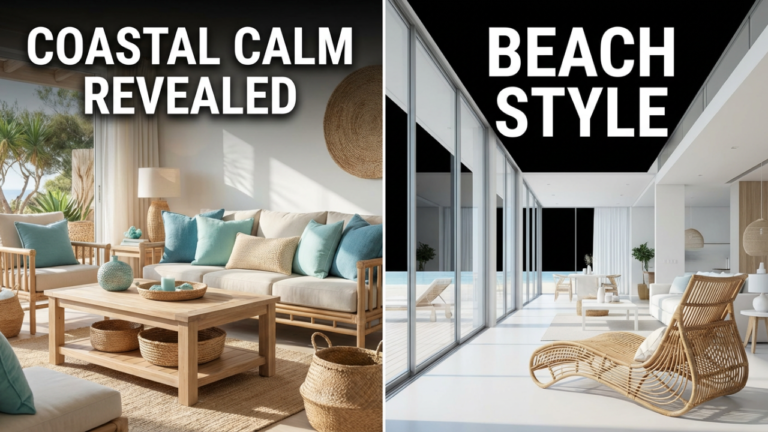
Beach House Decor has become one of the most enduring styles in home decor, appealing to homeowners and professionals who value comfort, simplicity, and timeless design. Rather than following short-lived trends, this approach focuses on atmosphere, natural materials, and an effortless sense of balance that feels lived-in yet refined.
Unlike themed interiors that rely on obvious symbols, Beach House Decor emphasizes subtle references to the coast. Light-filled rooms, breathable layouts, and organic textures create spaces that feel calm and functional. This makes the style suitable not only for seaside properties but also for urban and suburban homes seeking a relaxed interior identity.
For home decor professionals, understanding how this style works in practice is essential. Clients are increasingly drawn to interiors that feel restorative without sacrificing visual appeal. Beach House Decor meets this demand by blending comfort with thoughtful design choices.
Defining Beach House Decor in Modern Home Design
Beach House Decor refers to an interior design approach inspired by coastal living but adapted for everyday use. It prioritizes light, openness, and comfort while maintaining a clean and intentional aesthetic.
Core Definition
This style is built on the idea of bringing the emotional qualities of coastal environments indoors. Soft light, gentle textures, and uncluttered spaces form the foundation. Rather than replicating seaside imagery, the goal is to evoke a feeling of ease and balance.
Distinction From Nautical Themes
While nautical decor relies heavily on maritime motifs, Beach House Decor avoids overt symbolism. It replaces anchors and ropes with abstract forms, natural finishes, and restrained color use that feels more sophisticated and adaptable.
Why Beach House Decor Continues to Influence Home Decor
The long-term appeal of this style lies in its versatility and emotional impact. Many professionals observe that clients are increasingly prioritizing comfort and livability over purely visual statements.
Psychological Appeal
Light-filled interiors and natural materials are widely associated with calm and clarity. Beach-inspired homes often feel less restrictive, encouraging relaxation and social interaction. This emotional response contributes to the style’s staying power.
Adaptability Across Property Types
Beach House Decor translates well across different environments. Apartments, family homes, and vacation properties can all benefit from its principles because the focus is on atmosphere rather than location.
Foundational Elements of Beach House Decor
Understanding the building blocks of this style helps ensure consistency and authenticity in design execution.
Natural Light and Spatial Flow
Maximizing light is essential. Large windows, sheer window treatments, and reflective surfaces help amplify brightness. Floor plans often favor open connections between living areas to support movement and airflow.
Texture as a Design Tool
Instead of heavy ornamentation, texture provides visual interest. Common materials include linen, cotton, jute, rattan, and lightly finished wood. These elements add depth without overwhelming the space.
Restrained Decorative Choices
Accessories are intentional and limited. Artwork tends to be abstract or nature-inspired, allowing the room to feel curated rather than crowded.
Color Theory and Palette Selection
Color plays a critical role in establishing the mood associated with Beach House Decor.
Neutral Foundations
White, cream, and soft beige shades form the base palette. These colors reflect light effectively and create a sense of openness.
Coastal Accents
Muted blues, soft greens, and weathered grays appear as accent colors. They reference the natural coastal environment without dominating the design.
Balancing Warmth and Coolness
Natural wood tones and subtle earth hues prevent the palette from feeling cold. This balance is especially important in homes with limited natural light.
| Element | Preferred Characteristics |
|---|---|
| Walls | Light neutrals, matte finishes |
| Floors | Light wood or natural textures |
| Accents | Soft blues, greens, organic tones |
Furniture and Material Choices
Furniture selection reinforces the relaxed identity of the space while supporting long-term usability.
Comfort-Oriented Design
Seating is deep and inviting, encouraging everyday use rather than formal presentation. Upholstery fabrics are durable and breathable.
Material Integrity
Wood, cane, and woven fibers dominate furniture construction. Finishes are typically matte or lightly textured, avoiding excessive shine.
- Slipcovered sofas for flexibility
- Natural fiber rugs for warmth
- Simple silhouettes with minimal ornamentation
Room-Specific Applications
Applying Beach House Decor effectively requires tailoring the approach to each functional space.
Living Areas
Living rooms prioritize conversation and comfort. Furniture arrangements encourage interaction, while decorative elements remain understated.
Bedrooms
Bedrooms benefit from layered textiles and neutral bedding. The emphasis is on creating a restorative environment rather than visual drama.
Kitchens and Dining Spaces
Open shelving, light cabinetry, and simple hardware are common. Decorative items often serve both functional and aesthetic purposes.
Modern Interpretations Versus Traditional Coastal Style
Contemporary Beach House Decor differs significantly from earlier coastal interpretations.
Modern Approach
Modern applications favor minimalism, neutral palettes, and subtle references. This approach aligns well with current home decor preferences.
Traditional Approach
Traditional coastal interiors often feature stronger color contrasts and themed accessories. While visually distinctive, they can feel less flexible over time.
Practical and Budget-Conscious Design Strategies
Achieving this style does not require a complete renovation. Strategic updates can significantly shift the feel of a space.
- Replace heavy textiles with lighter alternatives
- Repaint walls in soft neutral tones
- Introduce one or two natural material elements
- Reduce visual clutter to enhance openness
Sustainability and Long-Term Value
Many aspects of Beach House Decor align naturally with sustainable design principles.
Durable Materials
Natural fibers and solid wood age well and require fewer replacements, supporting long-term value.
Timeless Aesthetic
By avoiding trend-driven elements, this style remains relevant across changing design cycles.
Frequently Asked Questions
What defines Beach House Decor?
It is a relaxed interior style inspired by coastal living, focusing on light, comfort, and natural materials.
Can this style work in non-coastal homes?
Yes, the principles are adaptable and focus on atmosphere rather than location.
Is Beach House Decor suitable for modern interiors?
Modern interpretations emphasize minimalism and neutral palettes, making them highly compatible.
What materials are most commonly used?
Linen, cotton, wood, rattan, and other natural textures are commonly featured.
Does this style require large spaces?
No, light colors and thoughtful layouts can make smaller spaces feel open and balanced.
How does this style support long-term use?
Its focus on durability and timeless design reduces the need for frequent updates.
Related Reading
Conclusion
Beach House Decor represents a thoughtful approach to home decor that balances comfort, aesthetics, and longevity. Its emphasis on light, texture, and simplicity makes it adaptable across a wide range of properties and lifestyles.
For home decor professionals and serious learners, mastering this style offers lasting value. By focusing on foundational principles rather than surface-level trends, Beach House Decor continues to shape interiors that feel both functional and emotionally engaging.