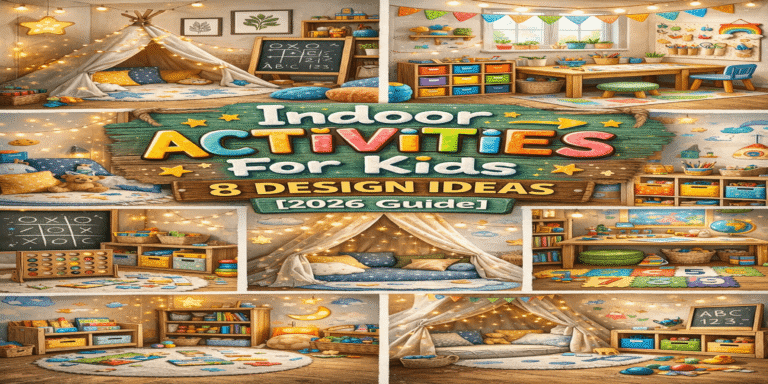
Creating a home that nurtures creativity and supports child development doesn’t require sacrificing style or function. The modern family home can be both a sophisticated living space and an engaging environment for indoor activities for kids. By thoughtfully integrating play areas into your home design, you create spaces that encourage learning, imagination, and family connection while maintaining the aesthetic appeal you desire. This guide explores how to design a home that grows with your family, providing dedicated areas for various activities without compromising on adult spaces.
The key to successful kid-friendly home design lies in creating zones that serve multiple purposes and can adapt as your children’s interests evolve. From art corners that blend seamlessly with your living room to reading nooks that become cozy retreats for all family members, these design solutions prove that children’s activities and sophisticated home design can coexist beautifully. Whether you’re working with a spacious home or a compact apartment, these strategies will help you create a functional, stylish environment that supports your children’s development while maintaining your home’s aesthetic integrity.
Table of Contents
Designing Multipurpose Spaces for Indoor Activities
The most successful family homes feature spaces that can transition seamlessly between adult use and children’s activities. Multipurpose design allows you to maximize every square foot of your home while creating dedicated areas for different types of play and learning. The secret lies in selecting furniture and storage solutions that serve dual purposes and establishing clear boundaries between activity zones through visual cues rather than permanent walls.
When planning multipurpose spaces, consider the flow of daily life and how your family uses each room. A living room might include a discreet play area that can be tidied away when guests visit, while a dining area might double as a homework station during after-school hours. The key is to design with flexibility in mind, choosing elements that can be easily reconfigured as needs change. This approach not only accommodates various indoor activities for kids but also ensures your home remains functional and stylish for the entire family.
Zoning Techniques Without Walls
Creating distinct activity zones doesn’t require construction. Visual separation can be achieved through strategic furniture placement, area rugs, lighting, and color schemes. These subtle cues help define spaces while maintaining an open, cohesive feel throughout your home.
Consider these zoning techniques:
- Area Rugs: Define a play area with a colorful, durable rug that can contain activities and add visual interest.
- Furniture Placement: Use sofas, bookcases, or consoles to create natural boundaries between adult and child spaces.
- Lighting: Install task lighting in activity zones while keeping ambient lighting in shared areas.
- Color Blocking: Use paint or wallpaper to create a distinct visual identity for different zones.
Convertible Furniture Solutions
Convertible furniture is a game-changer for families seeking to accommodate indoor activities for kids without dedicating permanent space to play. These clever pieces transform to serve different functions throughout the day, maximizing the utility of every room.
Popular convertible options include:
- Storage Ottomans: Double as seating, footrests, and toy storage.
- Extendable Tables: Expand for craft projects and contract for everyday dining.
- Sleeper Sofas: Provide seating during the day and create a cozy reading or movie area when folded out.
- Wall-Mounted Desks: Fold down when needed and disappear when not in use.
Creating the Perfect Art Corner
An art corner is a dedicated space where creativity can flourish without the stress of mess spreading throughout your home. When designed thoughtfully, this area can contain all the supplies and tools needed for various artistic indoor activities for kids while maintaining a visually pleasing appearance that complements your home’s aesthetic.
The ideal art corner should be located near a water source for easy cleanup and feature surfaces that can withstand paint, glue, and other art materials. Proper organization is essential—consider vertical storage solutions that keep supplies visible and accessible while maintaining a tidy appearance. With the right design, an art corner can become a favorite spot for children to express themselves creatively while developing fine motor skills and artistic confidence.
Essential Elements of a Kid-Friendly Art Space
A well-designed art corner includes several key elements that facilitate creativity while minimizing mess:
- Durable Work Surface: A table at the appropriate height with a washable or easily cleanable surface.
- Accessible Storage: Open shelving with clear containers allows children to see and select materials independently.
- Art Display Area: A gallery wall or display rail gives children a place to showcase their creations.
- Easy Cleanup Station: A nearby sink or cleaning caddy makes tidying up part of the creative process.
Integrating Art Spaces into Adult Rooms
Even in homes without a dedicated playroom, art spaces can be integrated beautifully into adult living areas. The key is to select art supplies and storage that complement your existing decor rather than clash with it.
Consider these integration strategies:
- Concealed Storage: Use stylish cabinets or armoires that can be closed to hide art supplies when not in use.
- Curated Color Palette: Choose art supplies and storage in colors that coordinate with your room’s color scheme.
- Artistic Display: Frame children’s artwork in quality frames to elevate it to gallery status.
- Dual-Purpose Furniture: Select a console table that serves as both an art surface and an elegant display area.
Reading Nooks That Grow With Your Child
A dedicated reading nook creates a magical space that encourages literacy and provides a quiet retreat for children and adults alike. These cozy corners support the important indoor activities for kids related to reading and quiet contemplation while adding architectural interest to your home’s design.
The most successful reading nooks incorporate comfortable seating, appropriate lighting, and easy access to books. They should be located in a relatively quiet area of your home, away from the main flow of traffic and distractions. By designing a reading nook with adaptable elements, you create a space that can evolve with your child’s changing interests and reading habits, from picture books to novels and eventually to digital reading devices.
Essential Components of a Reading Nook
Every reading nook should include these fundamental elements to create an inviting environment for literacy activities:
- Comfortable Seating: A cozy chair, cushioned bench, or even a window seat with soft pillows and throws.
- Good Lighting: A combination of natural light during the day and focused task lighting for evening reading.
- Book Storage: Front-facing bookshelves at child height for younger children and traditional shelving for older readers.
- Personal Touches: Elements that reflect your child’s interests, such as themed decorations or a special collection.
Adaptable Reading Spaces
As children grow, their reading habits and spatial needs change. Designing a reading nook with adaptability in mind ensures it remains relevant and beloved throughout childhood:
- Adjustable Shelving: Modular shelving systems can be reconfigured as book collections grow and change.
- Flexible Seating: Floor cushions can be rearranged for different reading positions and group sizes.
- Multi-Age Appeal: Select timeless furniture and neutral colors that won’t feel childish as your kids mature.
- Technology Integration: Include charging stations and task lighting suitable for digital reading devices.
STEM and Science Activity Zones
STEM (Science, Technology, Engineering, and Math) activities encourage critical thinking, problem-solving, and innovation. Creating a dedicated space for these indoor activities for kids doesn’t require a laboratory setup—just a thoughtful approach to organization and material selection that supports experimentation while maintaining your home’s aesthetic.
A well-designed STEM zone should include a sturdy work surface, good lighting, and organized storage for materials like building toys, science experiment kits, and mathematical manipulatives. This area should be positioned where occasional messes won’t cause stress, such as near a kitchen or in a basement area. By creating a dedicated space for STEM activities, you signal to children that these pursuits are valued in your family while containing the necessary materials and potential mess in one controlled area.
Organizing STEM Materials
Effective organization is key to a functional STEM zone. Categorize materials by type and store them in clear, labeled containers that make selection and cleanup straightforward:
- Building Materials: Store blocks, magnetic tiles, and construction toys in open bins for easy access.
- Science Supplies: Keep experiment kits, magnifying glasses, and science tools in a dedicated caddy.
- Math Manipulatives: Use compartmentalized containers for small items like counters, pattern blocks, and measuring tools.
- Technology Resources: Create a charging station for tablets, calculators, and other electronic devices.
Incorporating STEM into Everyday Spaces
Even without a dedicated room, STEM activities can be integrated into your existing home design:
- Kitchen Science: Utilize kitchen counters for experiments that require water or heat.
- Living Room Engineering: Select attractive storage solutions for building toys that can be displayed in shared spaces.
- Dining Table Discoveries: Use a protective table covering to transform your dining area into a temporary project space.
- Window Wonder: Create a observation station near a window for nature study and weather watching.
Storage Solutions for Kids’ Activities
Effective storage is the foundation of a well-organized home that accommodates various indoor activities for kids. The right storage solutions not only contain clutter but also make materials accessible, encouraging independent play and easy cleanup. When selecting storage options, consider both function and form—choosing pieces that complement your home’s aesthetic while serving the practical needs of a family with children.
The most successful storage systems incorporate a mix of open and closed options, use vertical space efficiently, and are designed with children’s abilities in mind. By implementing thoughtful storage solutions throughout your home, you create an environment where activities can be enjoyed without creating chaos, and cleanup becomes a manageable part of the play process rather than an overwhelming chore.
| Storage Type | Best For | Design Considerations |
|---|---|---|
| Open Shelving | Frequently used toys, books, art supplies | Choose stylish options that blend with decor; use attractive baskets to contain smaller items |
| Closed Cabinets | Less attractive items, seasonal supplies, messy materials | Select options with soft-close mechanisms; consider child-safe locks for hazardous materials |
| Rolling Carts | Art supplies, science kits, portable activity stations | Choose models with multiple tiers; select colors that complement your space |
| Built-in Bench Seating | Toy storage, reading nooks, window seats | Incorporate lift-top lids or pull-out drawers; add cushioned tops for dual-purpose use |
| Wall-Mounted Systems | Small spaces, vertical storage, display areas | Install at appropriate heights; include both display and concealed storage options |
Labeling and Organization Systems
Effective labeling transforms storage from a simple container system into an intuitive organization tool that even young children can navigate:
- Picture Labels: For pre-readers, use images of the contents on bins and shelves.
- Color Coding: Assign colors to different categories of items or to each child’s belongings.
- Consistent Placement: Keep similar items in the same location to build organizational habits.
- Accessible Systems: Ensure frequently used items are stored at child height, with less-used items higher up.
Incorporating Movement and Physical Play
Physical activity is essential for children’s development, even when playing indoors. Designing your home to accommodate active indoor activities for kids doesn’t require a dedicated gymnasium—just thoughtful consideration of how existing spaces can be adapted for movement and physical play.
The key is to identify areas with open floor space and minimal breakable items where children can safely engage in physical activities. This might be a corner of the living room, a finished basement, or even a wide hallway. By incorporating elements that encourage movement while maintaining safety, you create opportunities for physical development regardless of weather conditions or outdoor constraints.
Indoor Active Play Zones
Create designated areas where physical play is encouraged and appropriate:
- Obstacle Course Space: Designate an area where temporary obstacle courses can be set up and easily cleared away.
- Dance and Movement Area: Install a durable, easy-to-clean rug or flooring in a space with good sound quality.
- Climbing and Building Zone: Include foam blocks, climbing structures, or building materials in a contained area.
- Quiet Movement Activities: Create a space for yoga, stretching, or other calmer physical activities.
Furniture That Supports Active Play
Select furniture that can accommodate or be adapted for physical activities:
- Modular Seating: Lightweight floor cushions that can be rearranged for building forts or obstacle courses.
- Climbing-Friendly Pieces: Sturdy bookcases or furniture that can be safely used for climbing under supervision.
- Convertible Surfaces: Tables that can be cleared away to create open floor space for movement.
- Soft Furnishings: Padded furniture and rounded corners to minimize injuries during active play.
Balancing Adult and Child Spaces
The ultimate challenge in family home design is creating spaces that accommodate both adult aesthetics and children’s needs without compromise. This balance requires thoughtful planning, clever design solutions, and a clear understanding of how your family uses each area of your home. The goal is to create an environment where both adults and children feel comfortable and accommodated, without either group feeling that their needs have been secondary.
Achieving this balance involves selecting durable materials that don’t sacrifice style, incorporating child-friendly elements that complement your design aesthetic, and creating clear boundaries between different functional areas. With the right approach, your home can be both a sophisticated sanctuary for adults and an engaging, stimulating environment for children.
Design Strategies for Family-Friendly Spaces
Implement these strategies to create a home that works for everyone:
- Invest in Performance Fabrics: Select upholstery that is both beautiful and resistant to stains, wear, and fading.
- Choose Durable Finishes: Opt for scuff-resistant paint, easy-to-clean flooring, and surfaces that can withstand heavy use.
- Create Visual Cohesion: Use a consistent color palette throughout your home to tie adult and child spaces together.
- Incorporate Personal Elements: Display children’s artwork and creations in frames that complement your decor.
Transitioning Spaces as Children Grow
Design your home with adaptability in mind to accommodate your family’s changing needs:
- Timeless Foundation: Invest in quality, neutral furniture that can adapt to different stages of childhood.
- Flexible Room Functions: Design rooms that can easily transition from nursery to big kid room to teen space.
- Scalable Storage: Choose storage systems that can be reconfigured as children’s belongings and needs change.
- Personalization Layers: Use easily changeable elements like pillows, art, and accessories to reflect children’s evolving interests.
How can I create activity zones in a small home without dedicated play spaces?
What are the most durable materials for homes with active children?
How do I maintain a stylish home while accommodating indoor activities for kids?
What’s the best way to organize art supplies to encourage independent creativity?
How can I create a reading nook in a shared family space?
What storage solutions work best for small toys with many pieces?
Related Reading
Conclusion
Designing a home that accommodates various indoor activities for kids doesn’t require sacrificing style or adult functionality. By implementing thoughtful zoning strategies, selecting appropriate furniture and storage solutions, and creating dedicated areas for different types of play, you can create a harmonious environment that serves the needs of every family member. The key is to approach the design with flexibility and adaptability in mind, creating spaces that can evolve as your children grow and their interests change.
Remember that the most successful family homes are those that reflect the personalities and needs of all who live there. By involving children in the design process and creating spaces that honor their creativity and development while maintaining your aesthetic standards, you build a home that truly supports and nurtures your family’s lifestyle. With these design principles in mind, you can create a beautiful, functional home that grows with your family and provides the perfect backdrop for a childhood filled with engaging indoor activities.

![Summer Bucket List For Kids: 8 Ideas [2026 Guide]](https://floridaprojectcast.com/wp-content/uploads/2026/01/2015783569099591680-150x150.jpg "Summer Bucket List For Kids: 8 Ideas [2026 Guide] 3")