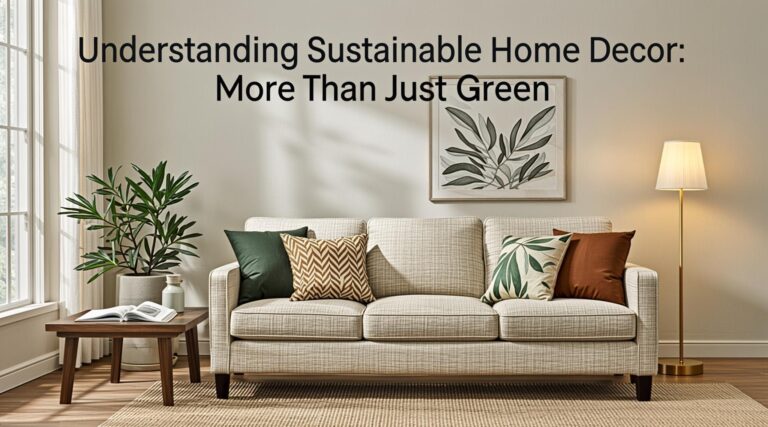
Have you ever walked into a room and felt an instant sense of calm, knowing that every piece around you tells a story of care, for the planet and for its people? In a world that sometimes feels overwhelmingly fast, more and more of us are seeking peace and purpose in our homes. It’s not just about what looks good anymore; it’s about what *feels* good, too. This is where **sustainable home decor** truly shines, allowing us to create spaces that are both beautiful and responsible.
It might seem like a big undertaking to shift your home’s aesthetic towards sustainability, but trust me, it’s easier and more rewarding than you think. In 2026, the focus on conscious living is stronger than ever. We’re seeing exciting innovations and a real movement towards making healthier, more environmentally friendly choices for our homes. You don’t have to sacrifice style to live green; in fact, sustainable choices often lead to unique, character-filled interiors.
I’ve spent years exploring how our living spaces impact our well-being and the world around us. From hunting for the perfect vintage find to understanding the complex journey of a handmade textile, I’ve seen firsthand how thoughtful decisions can transform a house into a truly nurturing sanctuary. This guide is for anyone ready to make their home a reflection of their values, blending aesthetics with a deep commitment to the planet.
This journey isn’t just about buying new things. It’s about making mindful decisions that reduce waste, support ethical practices, and ultimately, create a more beautiful and healthier environment for you and your family. Let’s explore how you can embrace **sustainable home decor** and make a real difference, one thoughtful choice at a time.
When you hear “sustainable,” what comes to mind? For many, it used to mean a few potted plants or maybe some reclaimed wood. But in 2026, **sustainable home decor** has evolved into a much more intentional and holistic practice. It’s about looking at the entire lifecycle of an item, from where its materials come from to how it’s made, how long it lasts, and what happens to it at the end of its life.
What Makes Decor Sustainable?
At its heart, sustainable decor means making choices that minimize harm to our planet and support fair human practices. This includes opting for products made from renewable resources, recycled materials, or items that are built to last. It also means choosing products that are non-toxic, ensuring a healthier environment inside your home.
It also often involves a commitment to ethical production. When we talk about **ethical home furnishings**, we’re looking at things like fair wages, safe working conditions for artisans, and transparency in the supply chain. Brands like The Citizenry, for example, are known for their 100% Fair Trade certified products, paying artisans double the fair trade requirement and using low-emission techniques. West Elm is another brand committed to sourcing pieces that are handcrafted, Fair Trade Certified, and sustainably sourced. This approach means your beautiful decor supports livelihoods and preserves traditional craftsmanship around the world.
Choosing **eco-friendly decor** isn’t just a trend; it’s a commitment to a lifestyle that values both beauty and planetary well-being. It’s about choosing materials like organic cotton, natural linen, hemp, cork, bamboo, and FSC-certified wood, which minimize environmental impact. These materials often bring a beautiful, tactile quality to your home, too.
The Benefits of Embracing Sustainable Home Decor
Making the switch to **sustainable home decor** offers a wealth of benefits that extend far beyond aesthetics. It’s a choice that impacts your personal well-being, the health of your loved ones, and the planet we all share.
Healthier Living Spaces
One of the most immediate and impactful benefits of choosing sustainable options is the improvement in your home’s indoor air quality. Many conventional decor items, paints, and finishes contain volatile organic compounds (VOCs) and other harmful chemicals that can off-gas into your home, potentially affecting your health. Sustainable design prioritizes non-toxic, low-VOC materials, which can significantly reduce these harmful chemicals. You’ll find things like mineral-based paints, formaldehyde-free woods, and organic textiles that create a stylish, health-conscious living room. This means you and your family can breathe easier, enjoying a space free from hidden pollutants.
Reducing Your Environmental Footprint
Every choice we make in our homes has an impact on the environment. By opting for **eco-friendly decor**, you actively contribute to reducing your carbon footprint. This means utilizing materials that are renewable, recyclable, and often locally sourced, which cuts down on transportation emissions. Think about furniture made from rapidly renewable resources like cork or bamboo, or even innovative solutions like recycled rubber and tiles made from ocean plastics.
Sustainable practices also encourage the use of durable, long-lasting products, which directly combats the “fast furniture” mentality that leads to excessive waste. When you invest in quality pieces, they stay out of landfills, reducing the demand for new resources and energy-intensive manufacturing.
Sourcing Eco-Friendly Decor: Where to Look
Finding **eco-friendly decor** might feel like a treasure hunt at first, but with a little guidance, you’ll discover a world of beautiful, conscious choices. The options are growing every year, and in 2026, there are more resources than ever for creating a truly sustainable home.
Exploring Recycled Materials Home Decor
One of the most exciting aspects of sustainable design is the innovation in **recycled materials home decor**. Designers are transforming what used to be waste into stunning, functional pieces. You’ll see beautiful items made from recycled glass, giving new life to old bottles and jars. There’s also a rise in furniture made from recycled metals, plastics, and even reclaimed wood, which adds character and history to any space. These materials aren’t just practical; they often have a unique aesthetic that tells a story of transformation.
Consider statement lighting made from recycled components, which can be both sculptural and elevated, moving beyond just utilitarian uses. Or perhaps a rug woven from recycled fibers, adding warmth and texture to your living room. The possibilities are truly inspiring!
The Charm of Secondhand Decor Finds
My personal favorite way to decorate sustainably is by incorporating **secondhand decor finds**. There’s something truly special about giving an item a second life, and it’s an excellent way to add unique character to your home without contributing to new manufacturing. Thrift stores, antique shops, and online marketplaces are bursting with potential.
In 2026, vintage textiles like patchwork quilts and embroidered pieces are incredibly sought after. Imagine a beautifully aged wooden chest of drawers or a statement coffee table with bone-inlay, found at a fraction of its new price. Solid wood furniture, especially pieces with vintage character, continues to be a top pick because of its durability and timeless appeal. You might even find high-quality ceramics or unique candle holders that add a collected feel to your space. These pieces often boast superior craftsmanship compared to many mass-produced items today, making them a wise and stylish investment.
[IMAGE: A stylish living room featuring natural and upcycled elements, perhaps a vintage wooden coffee table with a recycled glass vase and organic cotton throw.]
Design Principles for a Green Interior Design
Beyond the materials themselves, how we approach design plays a huge role in creating a truly **green interior design**. It’s about thoughtful planning and making choices that ensure longevity, beauty, and harmony with nature.
Incorporating Natural Elements in Home Decor
One of the defining trends in 2026 is biophilic design, which focuses on bringing the outdoors in. This means integrating **natural elements in home decor** to foster a deeper connection with nature and improve our well-being. Think beyond just a few houseplants; we’re talking about living green walls, vertical herb gardens, and even air-purifying moss panels.
Materials like solid wood, natural stone, linen, and organic cotton are gaining prominence, creating interiors that feel warmer, more honest, and long-lasting. You can introduce a live-edge wood coffee table, a stone countertop, or bamboo blinds to add texture and warmth. Even the color palettes for 2026 lean towards warm, earthy neutrals like terracotta, olive green, soft browns, and gentle beiges, which further ground your space in a calming, natural feel.
Choosing Durable, Timeless Pieces
A key principle of sustainable living is buying fewer, better things. This applies directly to your home decor. Investing in durable, timeless pieces means you won’t need to replace them often, reducing waste and saving resources in the long run. Look for furniture with clean silhouettes, neutral palettes, and functional forms that won’t go out of style quickly.
For example, a well-made wooden dining table can follow you through different homes and decor trends for decades. Consider brands that offer long warranties or have a commitment to repairs, as this indicates a focus on product longevity. When you choose items that are built to last and designed to age gracefully, you’re making a truly sustainable choice that benefits both your home and the planet.
[INFOGRAPHIC:
Headline: Sustainable Material Choices for Your Home
Section 1: Natural & Renewable
– FSC-certified Wood (birch, bamboo, cork)
– Organic Cotton & Linen
– Hemp
– Natural Stone & Clay
Section 2: Recycled & Upcycled
– Recycled Glass
– Recycled Metals
– Recycled Plastic (used in innovative ways)
– Reclaimed Wood
Section 3: Low-Impact Finishes
– Low/Zero VOC Paints
– Natural Waxes & Oils
– Water-based Adhesives
]
DIY and Upcycled Decor Ideas to Personalize Your Space
You don’t always have to buy new to make a big impact. Embracing DIY and **upcycled decor ideas** is a fantastic way to add personality, save money, and contribute to a more **sustainable home decor** approach. It’s about seeing potential in the old and giving it a fresh purpose.
Breathing New Life into Old Treasures
Upcycling is all about taking an item that might otherwise be thrown away and transforming it into something useful and beautiful. Think about that old wooden ladder you saw at a yard sale , it could become a rustic bookshelf with a few planks, perfect for displaying your favorite books and plants. Or perhaps an outdated metal file cabinet can get a vintage-style makeover with some paint. Even old tin cans or ceramic dishes can be painted and turned into stylish planters.
I’ve personally taken old glass bottles and jars and transformed them into charming vases or candle holders. It’s amazing what a little creativity and a fresh perspective can do! This is where you can truly let your personality shine through your **eco-friendly decor**.
Simple Projects for a Big Impact
You don’t need to be a seasoned crafter to try upcycling. There are many simple projects that can make a big difference. For instance, creating a gallery wall using thrifted frames painted in coordinating colors can add a unique and personalized touch to any room. You can also give new life to old throw pillows by sewing custom covers from vintage fabrics.
Even small items like old ceramic birds or wooden bowls can be painted or bleached for a modern farmhouse look. The internet is full of inspiration for these kinds of projects, like turning old books into decorative book boxes or giving thrifted lamps a complete makeover with new paint and shades. These **upcycled decor ideas** are not only budget-friendly but also a wonderful way to express your creativity and embrace sustainable living.
Making Smart Choices: Avoiding “Greenwashing”
As **sustainable home decor** becomes more popular, you’ll start seeing a lot of products advertised as “green” or “eco-friendly.” Unfortunately, not all of these claims are genuinely sustainable. This is where “greenwashing” comes in , when companies make misleading claims about their products’ environmental benefits. It’s important to be a smart, conscious consumer.
Questions to Ask Before You Buy
Before you commit to a purchase, especially for big-ticket items, it’s wise to ask a few key questions:
* **What materials are used?** Look for specifics like organic cotton, FSC-certified wood, recycled content, or rapidly renewable resources like bamboo or cork.
* **Where was it made?** Local production often means a smaller carbon footprint due to reduced transportation, and it supports local economies.
* **How was it made?** Ask about manufacturing processes. Do they use water-based adhesives, low-VOC finishes, or minimize waste?
* **What is its lifespan?** Is this an item designed to last for years, or is it a fast-fashion decor piece that will quickly need replacing? Durable design is inherently sustainable.
* **What about the packaging?** Even if the product is sustainable, excessive or non-recyclable packaging can negate some of its benefits.
Certifications and Labels to Trust
To help you navigate the marketplace, look for reputable third-party certifications. These labels provide assurance that a product meets specific environmental, health, and social standards. Here are some to keep an eye out for:
* **FSC (Forest Stewardship Council) Certified:** This means wood products come from responsibly managed forests.
* **GOTS (Global Organic Textile Standard) Certified:** For textiles, this ensures organic status throughout the supply chain, from harvesting raw materials to manufacturing.
* **GREENGUARD Certified:** Products with this certification have low chemical emissions, contributing to healthier indoor air quality.
* **Cradle to Cradle Certified®:** This rigorous standard assesses products across five categories: material health, material reuse, renewable energy, water stewardship, and social fairness.
* **Fair Trade Certified:** This label ensures that products are made under fair labor conditions and that artisans receive fair compensation.
By looking for these labels and asking the right questions, you can confidently choose **ethical home furnishings** and **eco-friendly decor** that truly align with your values.
[IMAGE: Close-up of a sustainably sourced wooden furniture piece, perhaps with an FSC label visible or a texture shot highlighting the natural grain.]
Frequently Asked Questions
Is sustainable home decor more expensive?
It can be, but not always! While some truly sustainable, handcrafted pieces might have a higher upfront cost, they are often built to last much longer, offering better value over time. You can also save money by choosing **secondhand decor finds** or getting creative with **upcycled decor ideas**. It’s about investing in quality and mindfulness, which often proves more economical in the long run.
How do I start transitioning my home to sustainable choices?
You don’t need to do a complete overhaul all at once. Start small by replacing items as they wear out with sustainable alternatives. Focus on one room at a time, or begin with smaller, impactful changes like organic cotton bedding or low-VOC paint. Every single conscious choice contributes to a more **sustainable home decor** plan.
What are the top sustainable materials trending in 2026?
In 2026, we’re seeing a big push for natural, rapidly renewable materials like cork, bamboo, and hemp. Sustainably sourced solid wood, especially birch, walnut burl, and oak, is also very popular for its durability and timeless appeal. We’re also seeing innovative uses of **recycled materials home decor**, such as recycled glass and textiles.
Can I make my rental apartment more eco-friendly?
Absolutely! Even in a rental, you can make significant strides. Focus on portable **eco-friendly decor** items like organic bedding and towels, plants, secondhand furniture, and rugs made from natural or recycled fibers. You can also use temporary, non-toxic wall decals or choose energy-efficient LED lighting.
How does sustainable decor impact my health?
Choosing **sustainable home decor** significantly improves your indoor air quality. By opting for non-toxic, low-VOC paints and formaldehyde-free furniture, you reduce your exposure to harmful chemicals that can cause respiratory issues, allergies, and other health problems. It creates a healthier, more breathable living environment for everyone.
Where can I find ethical home furnishings?
Many brands are now specializing in **ethical home furnishings**. Look for companies that clearly state their sourcing and manufacturing practices, prioritizing fair trade and sustainable materials. Online marketplaces dedicated to artisan goods, Certified B Corps, and brands with certifications like Fair Trade Certified or GOTS are great places to start your search. Websites that curate sustainable brands can also be very helpful.
Final Thoughts
Embracing **sustainable home decor** is more than just a passing trend; it’s a meaningful way to create a home that truly nurtures you and respects the planet. It’s about making mindful choices, appreciating craftsmanship, and understanding the story behind each piece in your space. This approach allows us to build homes that are not only aesthetically pleasing but also healthier, more enduring, and deeply connected to our values.
As you continue on your journey to a more conscious home, remember that every small step makes a difference. Whether you’re hunting for a unique **secondhand decor finds**, experimenting with **upcycled decor ideas**, or investing in beautifully crafted **ethical home furnishings**, you’re contributing to a better world. Your home can be a powerful reflection of your commitment to thoughtful living, creating a sanctuary that feels good, looks good, and does good for years to come.