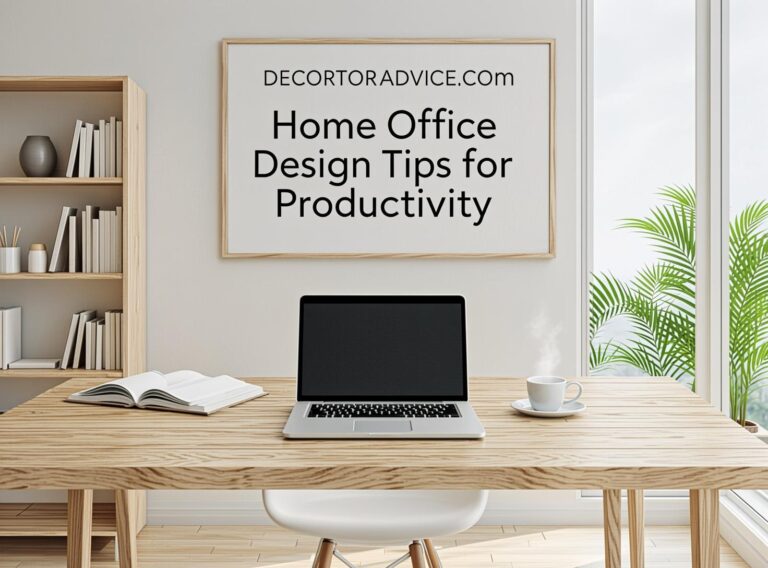
Working from home has shifted from a temporary solution to a long-term lifestyle. As a result, home offices are no longer afterthoughts—they’re essential spaces that influence focus, comfort, and productivity. That’s why decorator advice .com home office guidance resonates with homeowners looking to design workspaces that actually work.
A well-designed home office supports concentration without sacrificing style. It blends function, ergonomics, and personal comfort.
When done right, your home office becomes a space that motivates rather than distracts.
Understanding DecoratorAdvice.com Home Office Design Approach


Decorator advice .com home office design focuses on balancing productivity with aesthetics. The goal is to create a workspace that feels intentional, not temporary.
Instead of copying corporate offices, this approach adapts professional principles to residential spaces.
Design choices support focus, posture, and daily workflow.
Choosing the Right Location for a Home Office
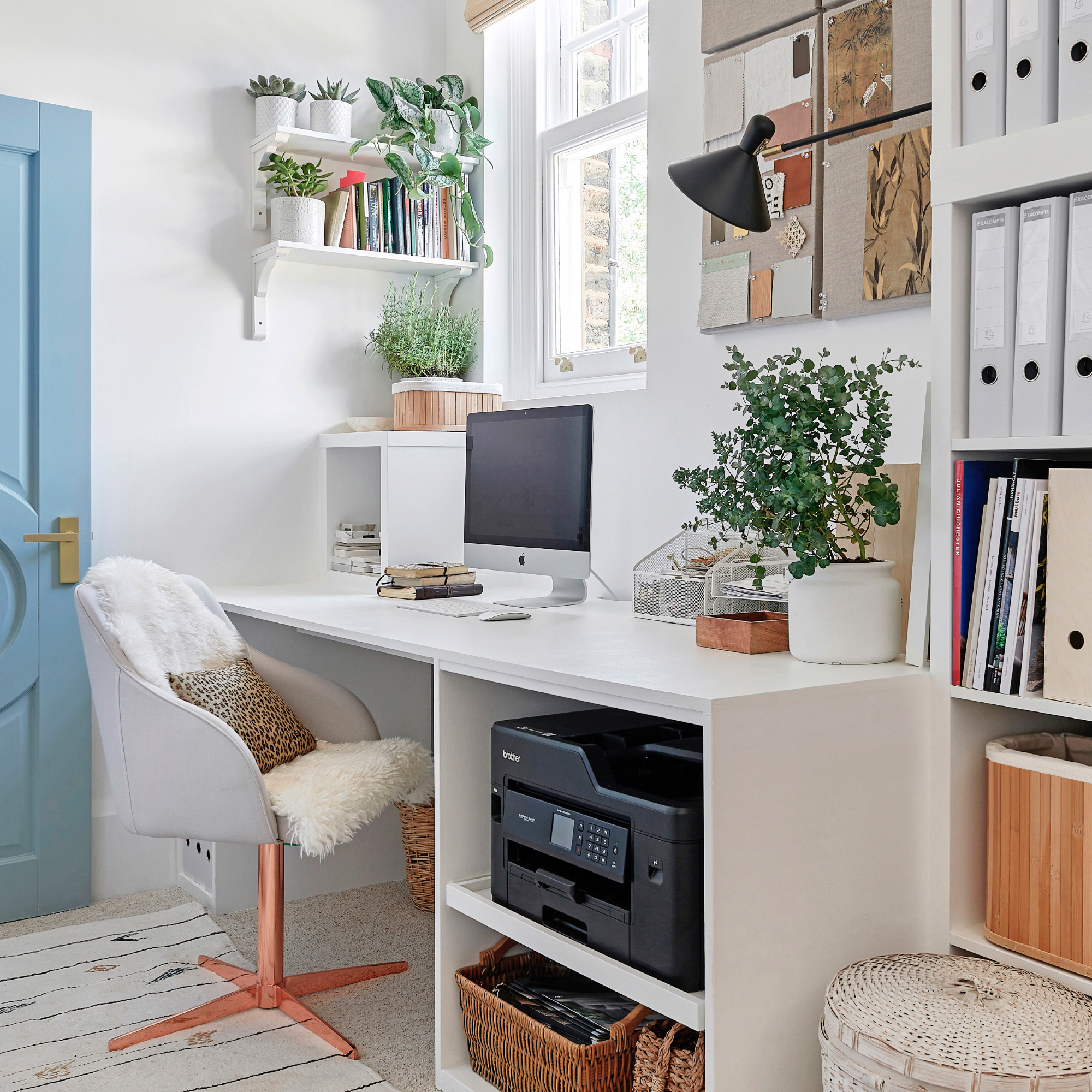

Location affects productivity more than decor. Noise, lighting, and foot traffic all matter.
Decorator advice .com emphasizes selecting low-distraction areas, even if space is limited.
A quiet corner often outperforms larger but busier rooms.
Furniture That Supports Comfort and Efficiency


Furniture defines how long you can work comfortably. Ergonomic chairs and appropriately sized desks reduce strain.
Decorator advice .com home office tips prioritize posture and adjustability.
Comfort supports consistency and focus.
Lighting Strategies for Home Offices


Lighting affects energy and concentration. Natural light is ideal, but task and ambient lighting are equally important.
Decorator advice .com home office design uses layered lighting to reduce eye strain.
Balanced lighting keeps the workspace functional throughout the day.
Color Choices That Improve Focus

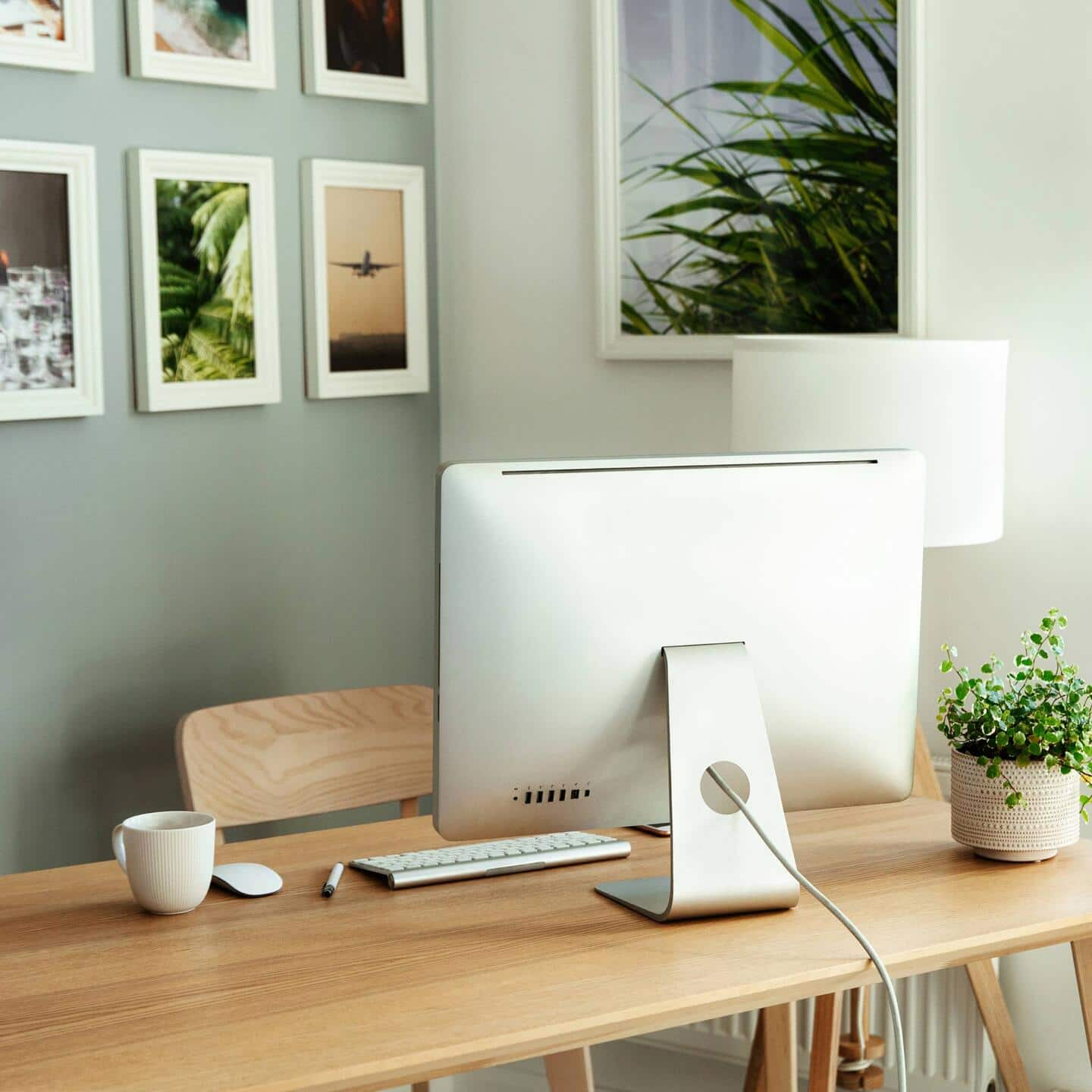
Color influences mood and productivity. Neutral and muted tones reduce visual stress.
Decorator advice .com suggests avoiding overly bold colors in primary work areas.
Calm palettes support sustained concentration.
Storage Solutions to Reduce Clutter

Clutter disrupts focus. Smart storage keeps essentials accessible without visual overload.
Decorator advice .com home office guidance favors closed storage and vertical solutions.
Organization supports mental clarity.
Technology Integration Without Visual Noise


Technology is essential but often messy. Cables and devices can quickly overwhelm a space.
Decorator advice .com emphasizes cable management and minimal visibility.
Clean setups improve both aesthetics and efficiency.
Personal Touches That Inspire Productivity

Personal decor adds motivation. Artwork, plants, or meaningful objects humanize the workspace.
Decorator advice .com recommends moderation to avoid distraction.
Inspiration should energize, not clutter.
Small Home Office Design Solutions
Small spaces require intentional design. Wall-mounted desks and multifunctional furniture maximize efficiency.
Decorator advice .com home office ideas adapt well to compact layouts.
Smart planning outperforms square footage.
Avoiding Common Home Office Design Mistakes
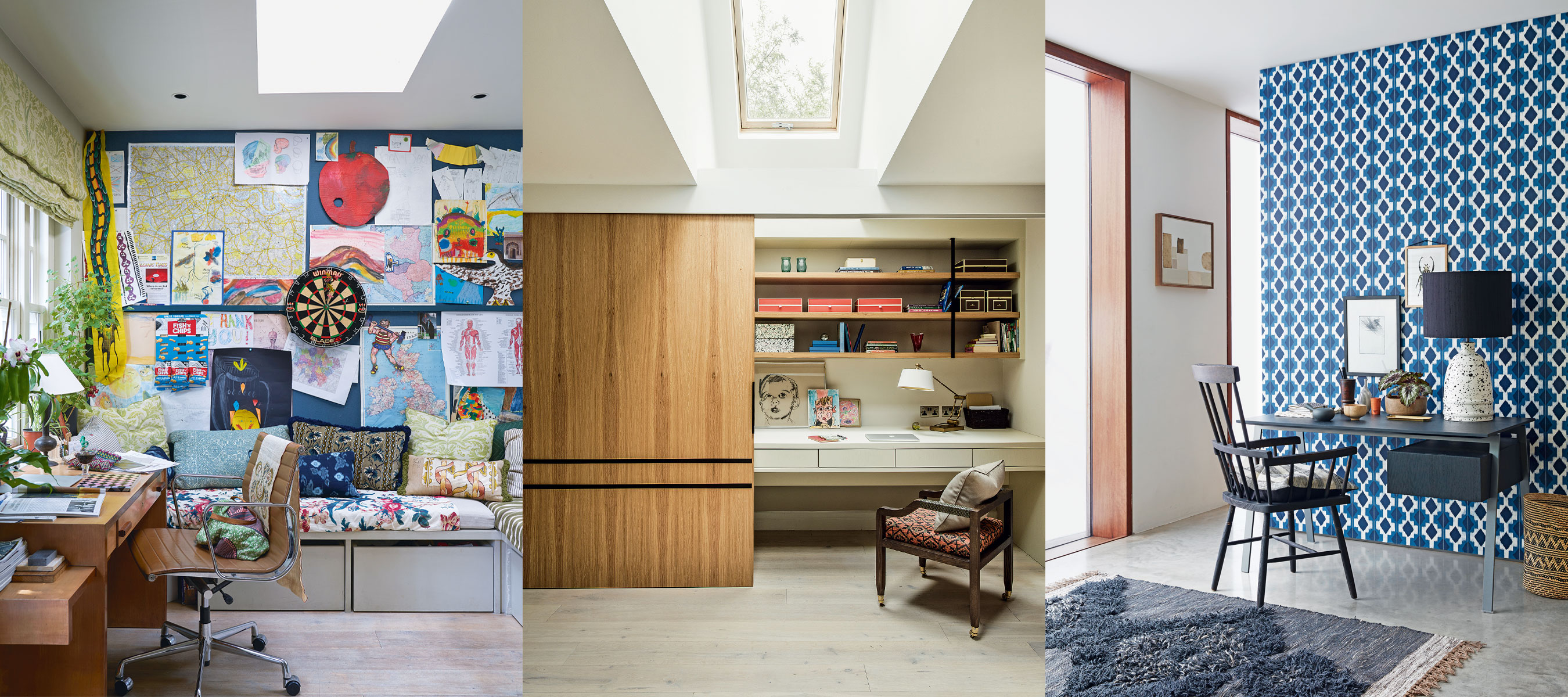
Common mistakes include poor lighting, uncomfortable seating, and ignoring storage.
Decorator advice .com highlights planning before decorating.
Avoiding mistakes saves time and frustration.
FAQ

What is decorator advice .com home office design?
It focuses on creating productive, comfortable, and stylish work-from-home spaces.
Can a home office be stylish and functional?
Yes, both elements work best together.
Is natural light important for home offices?
Yes, it improves mood and productivity.
How do I design a home office in a small space?
Use vertical storage and multifunctional furniture.
Do colors affect productivity?
Yes, calm colors support focus and reduce stress.
Conclusion
A home office should support how you work, not fight against it. Decorator advice .com home office principles highlight thoughtful design, comfort, and intentional choices.
By focusing on layout, lighting, furniture, and organization, workspaces become more productive and enjoyable.
Good home office design doesn’t demand more space—just better decisions.