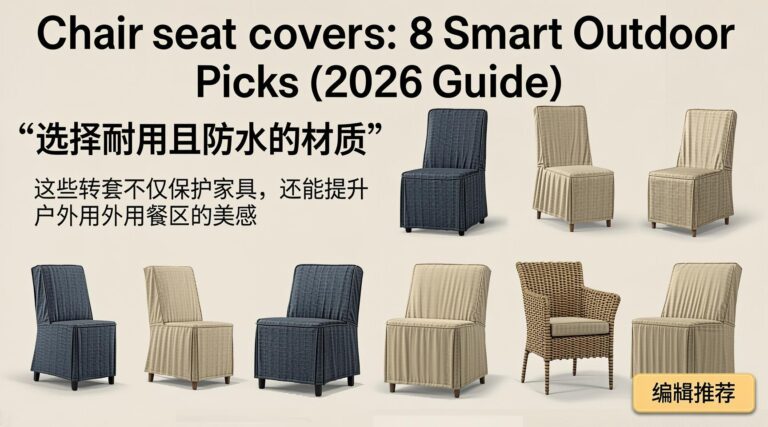
Outdoor living has become an essential extension of modern homes. From landscaped patios to functional vegetable gardens, homeowners are investing more in comfort and durability. Among the most overlooked yet highly practical upgrades are chair seat covers designed specifically for garden environments.
Garden furniture is constantly exposed to sunlight, moisture, dust, pollen, and fluctuating temperatures. Without proper protection, cushions fade, wood cracks, and metal surfaces corrode. High-quality chair seat covers provide a simple yet effective solution to protect seating while maintaining visual appeal.
In 2026, durability, sustainability, and aesthetic flexibility define outdoor trends. This comprehensive guide explores how chair seat covers enhance garden spaces, how to choose the right materials, and what installation strategies deliver long-term value.
What Is chair seat covers?
chair seat covers is a protective and decorative layer designed to shield garden and patio seating surfaces from weather exposure, dirt, UV rays, and moisture while improving comfort and extending furniture lifespan in outdoor environments.
Why chair seat covers Are Essential for Garden Furniture
Outdoor seating is subject to environmental stress that indoor furniture never faces. Installing chair seat covers provides both immediate and long-term benefits.
- Protection against UV-related fading
- Moisture resistance during rain or humidity
- Prevention of mold and mildew buildup
- Improved seating comfort
- Extended furniture lifespan
- Reduced seasonal maintenance
According to Forbes, outdoor living upgrades continue to influence homeowner spending trends, particularly in properties with gardens and patio spaces.
Types of chair seat covers for Gardening Spaces
1. Waterproof PVC-Coated Covers
Ideal for rainy climates, these covers repel water and protect cushions during storms. They are easy to wipe clean but may require ventilation to prevent condensation.
2. UV-Resistant Polyester Covers
Designed for sunny regions, UV-treated fabrics prevent fading and fabric breakdown.
3. Breathable Mesh Covers
Suitable for humid environments, mesh options reduce trapped moisture and air circulation issues.
4. Decorative Cushion Covers
Removable textile covers that combine style and moderate protection, often used in covered patios.
5. Custom-Fitted Covers
Tailored to specific chair dimensions, offering superior wind resistance and aesthetic alignment.
Benefits of Installing chair seat covers
- Cost Savings: Prevents premature replacement of outdoor furniture.
- Weather Shielding: Protects against rain, dust, and pollen.
- Comfort Enhancement: Adds cushioning and softness.
- Design Flexibility: Allows seasonal color changes.
- Maintenance Reduction: Simplifies cleaning routines.
Outdoor furniture deterioration often results from prolonged exposure to sunlight and moisture, factors extensively discussed in material durability studies such as those summarized on Wikipedia.
Material Comparison for chair seat covers
| Material | Water Resistance | UV Protection | Best For |
|---|---|---|---|
| PVC-Coated Polyester | High | Moderate | Rainy Climates |
| Solution-Dyed Acrylic | Moderate | High | Sunny Regions |
| Breathable Mesh | Low | Moderate | Humid Areas |
| Cotton Blend | Low | Low | Covered Patios |
How to Choose the Right chair seat covers
Selecting the ideal option requires evaluating climate, usage frequency, and garden layout.
- Measure Accurately: Include seat width, depth, and back height.
- Check Fabric Ratings: Look for UV and waterproof specifications.
- Assess Fastening Systems: Straps, drawstrings, or elastic hems.
- Consider Storage Needs: Foldable designs save space off-season.
- Match Garden Aesthetic: Coordinate with landscaping and decor.
Installation and Maintenance Guide
Proper installation enhances performance and longevity.
- Clean chairs before applying covers.
- Ensure dry surfaces to prevent trapped moisture.
- Secure tightly to avoid wind displacement.
- Inspect seams annually for wear.
- Wash removable covers according to label instructions.
During winter, store unused chair seat covers in a dry, ventilated area to avoid mildew buildup.
Common Challenges and Risks
- Poor fit leading to wind damage
- Non-breathable materials causing condensation
- Low-quality stitching tearing under tension
- Color fading in non-UV-treated fabrics
- Improper storage leading to mold growth
Investing in mid- to high-quality products reduces replacement frequency and long-term cost.
Design Integration in Garden Spaces
Beyond protection, chair seat covers contribute to garden aesthetics.
- Use earth tones for natural landscapes.
- Incorporate botanical prints for vibrant patios.
- Choose neutral grays for modern minimalist gardens.
- Layer cushions for added depth.
- Coordinate with outdoor rugs and umbrellas.
Garden seating areas function as social hubs. Harmonized textiles enhance comfort and visual balance.
Market Outlook for chair seat covers in 2026
The expansion of outdoor entertaining spaces continues globally. With homeowners prioritizing backyard renovations, demand for protective seating accessories is expected to remain steady.
Manufacturers are increasingly introducing recycled polyester fabrics and eco-conscious coatings, aligning with broader sustainability movements in gardening and home improvement.
Future Trends in Outdoor Seating Protection
- Solar-reflective fabric coatings
- Smart moisture-indicator textiles
- Antimicrobial surface treatments
- Modular interchangeable designs
- Biodegradable fabric options
These innovations suggest that chair seat covers will evolve beyond basic protection into integrated outdoor comfort solutions.
Common Mistakes to Avoid
- Buying generic sizes without measuring.
- Ignoring ventilation features.
- Leaving covers on damp cushions.
- Choosing style over durability.
- Failing to secure during storms.
Thoughtful selection and routine care ensure maximum performance.
Frequently Asked Questions
Are chair seat covers necessary for covered patios?
Even under partial cover, outdoor seating remains exposed to dust, humidity, and indirect UV rays. Protective layers help maintain cleanliness and reduce wear.
How long do chair seat covers typically last?
High-quality UV-resistant options can last three to five years, depending on climate and usage frequency.
Can chair seat covers prevent mold?
Breathable designs reduce moisture buildup, but proper drying and storage practices are equally important.
Are waterproof covers better than breathable ones?
It depends on climate. Waterproof versions excel in rainy regions, while breathable fabrics perform better in humid environments.
Do chair seat covers fade in sunlight?
UV-treated fabrics resist fading significantly better than untreated textiles.
How should I clean chair seat covers?
Most removable versions can be machine-washed on gentle cycles. Always follow manufacturer instructions.
Can I use indoor covers outdoors?
Indoor fabrics generally lack UV and moisture resistance, making them unsuitable for prolonged outdoor use.
Are custom-fitted chair seat covers worth it?
Custom options provide superior fit and wind resistance, especially in exposed garden areas.
Related Reading
Conclusion
Outdoor seating plays a central role in modern gardening lifestyles. Investing in durable chair seat covers protects furniture, enhances comfort, and preserves aesthetic appeal throughout changing seasons.
As homeowners continue prioritizing backyard functionality in 2026, selecting the right chair seat covers ensures long-term durability while complementing evolving garden design trends.